
Parents, we’re looking out for you! We’ve collected these resource links covering topics you care about. We hope you find them helpful, but remember: Nothing takes the place of a consultation with your child’s pediatrician! This list is by no means exhaustive, and FCAAP assumes no responsibility for content on linked sites.
Find a Pediatric Healthcare Provider
With the implementation of Florida’s Second Chance Act, public high school students participating in school athletics are now required to receive a one-time electrocardiogram (ECG) screening as part of the athletic preparticipation process. To support parents, FCAAP offers the resources below on ECG information, academic requirements, and screening locations.
FCAAP is always trying to understand parent perspective and needs to ensure we are providing the most accurate and needed information and we know that can change. To help us stay as up to date as possible on what you need, take our survey. Your feedback will help guide the creation of new resources.
FCAAP ECG RESOURCES FOR PARENTS
What is an ECG and what does it screen for?
An electrocardiogram (ECG or EKG) is a quick, painless test that records the heart’s electrical activity using small adhesive sensors placed on the chest, arms, and legs. The test usually takes only a few minutes. An ECG may help identify conditions associated with sudden cardiac arrest, including:
- Hypertrophic cardiomyopathy
- Long QT syndrome
- Wolff-Parkinson-White syndrome
- Brugada syndrome
- Arrhythmogenic cardiomyopathy
- Certain electrical rhythm abnormalities
An ECG cannot detect every heart condition and does not guarantee that a student athlete has no underlying heart disease.
Does my child need an ECG?
Beginning with the 2026–2027 school year, most students entering high school sports in Florida will need a one-time ECG before participating in their first FHSAA-sanctioned sport. Students who begin participating for the first time in grades 10 – 2 must also complete an ECG before they are eligible to participate. If a student had an ECG on or after July 1, 2024, this will satisfy the requirement. Schools and healthcare providers may recommend completing the ECG well before sports seasons begin to allow adequate time for follow-up if needed.
An ECG can help identify certain heart conditions that may increase the risk of sudden cardiac arrest during exercise. While most student athletes are healthy, some heart conditions have no symptoms and may not be detected during a routine sports physical.
An ECG is intended to supplement, not replace, the preparticipation physical examination.
Early identification allows many conditions to be managed safely through additional evaluation, treatment, or participation recommendations.
Students must complete their ECG before participating in FHSAA athletic activities.
FHSAA Forms and Guidance:
- Florida High School Athletic Association (FHSAA)
- How to complete the FHSAA-EL01 – Electrocardiogram (ECG) Screening Form
- FHSAA Medical Eligibility Supplemental Form (EL1/2S)
More ECG Information:
- Who We Play For
- Parent One-Page explainer: English | Spanish
Where can I find screening events or locations?
ECGs may be available through:
- Your child’s pediatrician or primary care provider
- Pediatric cardiology practices
- Hospital-sponsored screening events
- Community heart screening organizations
- School-sponsored screening events (where available)
- Your school district, pediatrician, and Who We Play For can help identify local screening opportunities.
Screening Resources:
Is there a cost?
Costs vary depending on where the ECG is performed.
Some insurance plans may cover the ECG when ordered by a healthcare provider. Community screening events and local hospital systems may offer reduced-cost or free screenings. Families should contact their healthcare provider or insurance company to determine coverage.
What happens if my child has an abnormal ECG?
An abnormal ECG does not necessarily mean your child has heart disease.
Many ECG findings in young athletes are normal adaptations to exercise. If an ECG requires additional evaluation, your child’s healthcare provider may recommend referral to a pediatric cardiologist for further testing, which could include:
- Repeat ECG
- Echocardiogram (heart ultrasound)
- Exercise stress testing
- Holter monitor
- Additional specialized testing if needed
ECG FAQ Resource:
Can my child play sports while waiting for follow-up?
This depends on the reason for the abnormal ECG. Many students can continue participating while additional evaluation is underway, while others may be temporarily restricted until a pediatric cardiologist determines it is safe to participate.
According to the FHSAA, if the ECG requires further evaluation, the student must be cleared by a licensed medical practitioner trained in the diagnosis, evaluation and management of ECGs before participating in FHSAA athletic competition, practice, tryouts, or workouts.
Parents should never ignore recommendations for follow-up evaluation.

Quick Educational Videos:



As a parent, keeping your child safe is always a top priority. FCAAP has trusted tips and tools to help protect your child in three important areas: car seats, water safety, and safe sleep. Whether you’re driving with your child, spending time near water, or putting your baby down to rest, these resources will help you make safe choices every day. With Florida’s warm weather and active lifestyle, knowing how to prevent injuries and accidents is one of the best ways to keep your family healthy and happy.


flynn's safety tips for parents
Car Seats
Florida law requires the use of seat belts or child restraint devices by drivers of motor vehicles, all front seat passengers, and all children riding in a vehicle under 18. When children are properly placed in car seats, their chances of serious injury during a car accident is significantly decreased. It’s important to know the recommended size and type of seat is best for your child as they grow. Below are a few resources to help you ensure your child is riding in the right seat and is as safe as possible in your motor vehicle.
- National Highway Traffic Safety Administration (NHTSA) Car Seat Info
- HealthyChildren.org On the Go
- AAP’s Car Seat Checkup
- Florida Highway Safety and Motor Vehicles Child Safety Center
- Florida Highway Safety and Motor Vehicles Safety Belts and Child Restraints Info
Water Safety
Water can be fun for kids, but it also comes with risks. As a parent, it’s important to know how to keep your child safe around pools, lakes, and other bodies of water. These resources offer simple tips and best practices to help prevent accidents and make water play safer for your whole family.
- Florida Department of Health Drowning Prevention Resources
- WaterSmartFL
- HealthyChildren.org Water Safety Tips
Safe Sleep
As a parent, you want to do everything you can to keep your baby safe—even while they sleep. These helpful resources will provide you with simple but important things you can do to create a safe sleep space and lower the risk of SIDS (Sudden Infant Death Syndrome). With the right information, you can rest easier knowing you’re giving your baby the safest start possible.
Websites
- Florida Department of Health Safe Sleep Website
- HealthyChildren.Org Sleep Resources
- CDC’s Providing Care for Babies to Sleep Safely Website
Videos

Kids and Families in Florida are hungry. More than 22% of children in Florida live in a “food insecure” household meaning there is not enough food in the house for every member of the family. If you or someone you know is struggling with hunger and food insecurity we can help!
We have provided you with 4 main resources that will help you access healthy and nutritious foods for your family immediately. Remember to always speak with your Pediatrician. A doctor can help you find programs that provide healthy food for you and your family. Click here – REACH 4 Help to learn and apply for no cost food and nutrition programs in your area..

Suicide can be a difficult and painful topic, but support and resources are available for parents navigating this challenging journey. Whether you’re concerned about your child’s well-being, seeking guidance on suicide prevention, or coping with loss, this page provides essential information, crisis support, and resources to help.
Suicide Resources For Parents / Caregivers
Prevention
- Talk Saves Lives: English PDF | Spanish PDF
- Suicide Prevention: A Resource for Parents and Caregivers: English PDF
- Suicide Prevention: A Resource for Teens: English PDF
- Risk factors, protective factors, and warning signs
After a suicide attempt or a loss
- Supporting Your Loved One After a Suicide Attempt
- Living with Suicide Loss
- After a Suicide: A Toolkit for Schools
- Get Connected with the American Foundation for Suicide Prevention (AFSP). AFSP’s mission is to save lives and bring hope to those affected by suicide. With local programs and events in all 50 states, Washington, D.C., and Puerto Rico, AFSP’s chapters are at the forefront of suicide prevention. Find a local chapter in your community to learn more here.
Disaster Preparedness
- Florida Special Needs Registry
- Agency for Persons with Disabilities
- Broward County Vulnerable Population Registry
- County Specific Information – Broward Preparedness Guide
- HealthyChildren.org Alerts
- FEMA
- Family Disaster Supplies List
- Hurricane Preparedness Tips for Families
- Fun and Games to Help Kids Prepare for Disasters
Wellness and Prevention
Autism
Cancer
Type 1 Diabetes
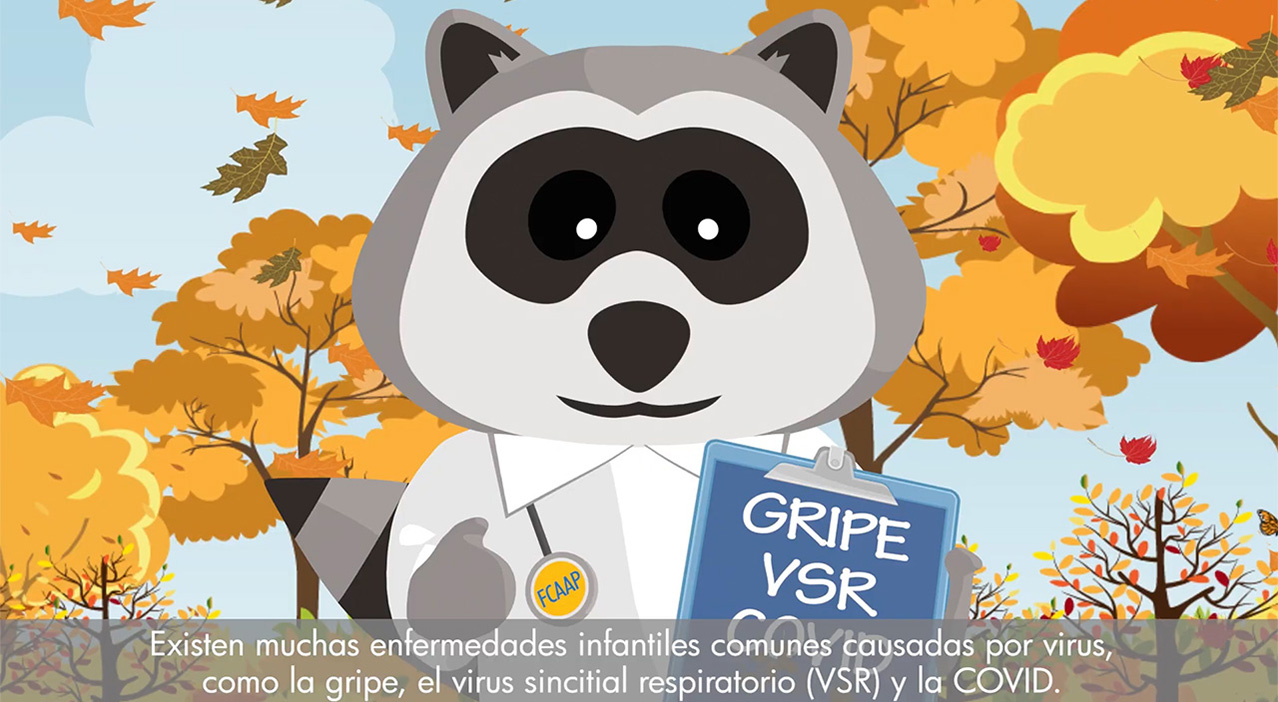
Flu
Heart Health
- Friend’s Don’t Let Friend’s Hearts Stop
- Parent Heart Watch | Information for Parents PDF | Information for Schools PDF | Information for Coaches PDF
HIV
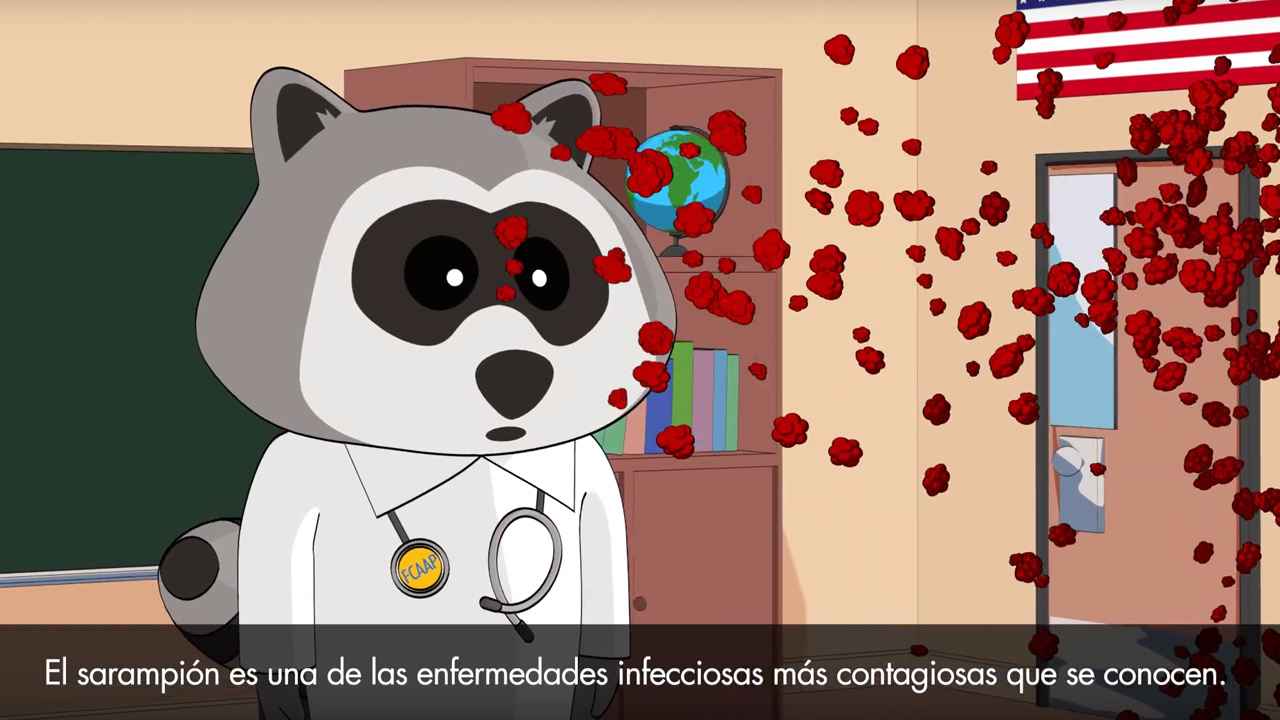
Immunizations
- FCAAP Reminds You to Schedule Your Children’s Immunizations Today
- Help protect the ones you love against Whooping Cough
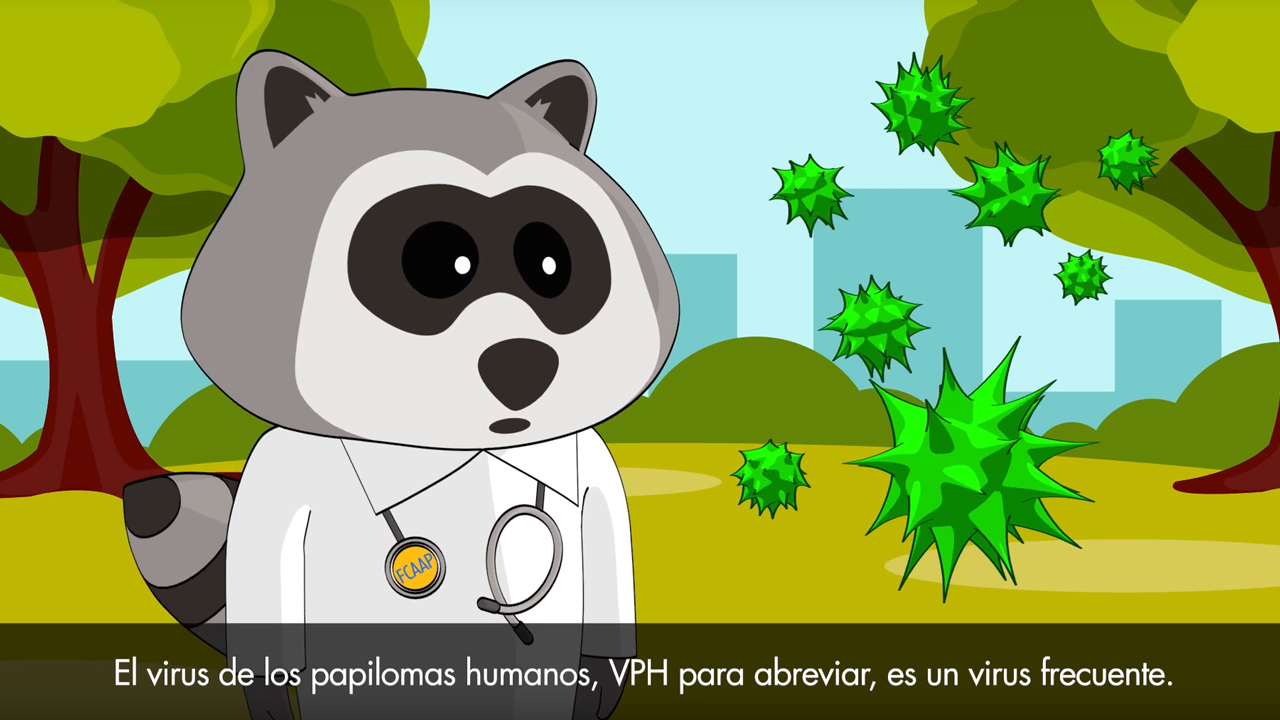
- HPV Vaccination & Cancer Prevention
Obesity Prevention
Perinatal Health
Mental Health
Anxiety and Depression
- The Center for Child Stress and Health has many resources related to mental health and toxic stress for children and parents
Developmental Stages
Divorce Education
DOMESTIC VIOLENCE
- National Domestic Violence Hotline 800-799-SAFE( 7233) or text START to 88788
- Florida Department of Children and Families: Do You Need Help?
- Florida Legal Information and Resources
SUBSTANCE ABUSE
Tobacco
- Watch Buenos días AM’s interview with FCAAP E-Cigarette Task Force Chair Dr. Cristina Matheus
- Tobacco Free Florida
- Youth & Vaping
- E-Epidemic: Vaping and Youth – What You Need to Know PDF
Safety and Injury Prevention
Home Safety
Vehicle and Child Safety
- Safety Center
- Safety Belts and Child Restraints
- AAP’s Car Seat Checkup
- School Bus Safety
- Pedestrian and Bicycle Safety
- Car and Driveway Safety
- Teen and New Driver Safety Tips
- ECI Program – Emergency Contact Information registration
Health care Resources
Florida KidCare
Health Care Transitions for Youth
Prescriptions
Public Charge Resources
The public charge rule went into effect on February 24, 2020.
- Public Charge: Does This Apply to Me? (English PDF and Spanish PDF)
- Know Your Rights! Public Charge Messages for Community Members English PDF and Spanish PDF
- Should I Keep My Kids Enrolled in Health & Nutrition Programs? English PDF and Spanish PDF
Telehealth
Parent Links
- ACCO – American Childhood Cancer Society
- ACLS – A Parents Guide to First Aid
- ASK Campaign – Asking Saves Kids Lives
- Boys & Girls Clubs
- Centers for Disease Control and Prevention
- Consumer Products Safety Commission
- Florida Department of Children and Families
- Florida Healthy Kids
- Florida PTA
- Food Allergy Research and Education (FARE)
- Public School Reviews
- The Children’s Trust Parent Club Workshops – Miami Dade County
- Women, Infants, and Children (WIC)
- YMCA
Covid-19 Resources
COVID-19 Vaccine for Children and Teens: What to Know
The authorization of the Pfizer-BioNTech COVID-19 vaccine for ages 5 and older is a vital step in bringing lifesaving vaccines to children and adolescents. You’ve got plenty of questions. The internet has loads of answers. Unfortunately, though, there’s a lot of misinformation out there. For reliable, evidence-based information, turn to your child’s doctor. Pediatricians just like yours have dedicated their time to answer parents’ most pressing questions about the COVID-19 vaccine. Whether your child is a toddler or a teen, you will find credible information that you can trust right here from pediatricians about COVID-19.
- Protecting Your Child with the COVID-19 Vaccine PDF
- Ask the Pediatrician: COVID-19 Roundup
- The Science Behind the COVID-19 Vaccine: Parent FAQs
- Getting Your Child Ready for the COVID-19 Vaccine
- COVID-19 Information for Families
- COVID-19 and kids: How mRNA vaccines work
- How mRNA COVID-19 vaccines were developed
AAP’s Updated Recommendations for Face Masks for Children
The American Academy of Pediatrics (AAP) recommends the continued use of a well-fitting face mask for children and teens who are age 2 years and older and not yet fully vaccinated. You can read their full recommendations here, and review additional helpful articles from HealthyChildren.org below.
- Face Masks for Children During COVID-19
- Mask Mythbusters: 5 Common Misconceptions about Kids & Cloth Face Coverings
- Youth Sports: A COVID-19 Safety Checklist
- Long-Haul COVID-19 in Children and Teens
- COVID-19: Caring for Children and Adolescents with Special Health Care Needs
From FCAAP:
- How to Prevent Illness from Coronavirus Disease 2019 (COVID-19) by Brandon Chatani, MD, FAAP
- Tips on Infant Feeding During the COVID-19 Pandemic by Cara Cannon, MD, FAAP
- Keeping Immunizations Up-to-Date During the COVID 19 Pandemic by David Berman, DO, FAAP
- Safe Gun Storage During COVID-19 by Judith Aronson-Ramos, MD, FAAP
- FCAAP Recommendations Regarding Schools During the COVID-19 Pandemic PDF
- FCAAP “Stay S.A.F.E.R.: Travel Guidance During an Ongoing Pandemic” PDF
- Keeping Children Healthy PDF
From AAP’s HealthyChildren.org:
- The Science Behind the COVID-19 Vaccines: Parent FAQ’s
- Ask the Pediatrician: How should we feed our baby if we’re running low on money?
- ¿Cómo debemos alimentar a nuestro bebé si se nos está acabando el dinero?
- Ask the Pediatrician: Is it safe to send my child to child care during COVID-19?
- Mood-Boosting Tips for Families During the COVID-19 Pandemic
- Ask the Pediatrician: Is it OK to call my pediatrician during COVID-19?
- Youth Sports & COVID-19: Understanding the Risks
- Mask Mythbusters: 5 Common Misconceptions About Kids & Cloth Face Coverings
- Ask the Pediatrician: Can Children Get COVID?
- Breastfeeding Benefits Your Baby’s Immune System
- Can telehealth ‘video visits’ be a good option for my child? How do they work?
- Telehealth Services Start With Your Pediatrician
Additional Resources:
- Staying calm, vigilant can help mitigate COVID-19 effects on children’s mental health, experts say from Healio
- Virtual Learning, Play-Based Yoga, and more at-home resources from Action For Healthy Kids
COVID-19 and Legal Aid and Resources for the Public
- Pose a legal question to a panel of volunteer lawyers: Florida Free Civil Legal Answers
- More resources from Florida Free Civil Legal Answers
- Contact your local legal aid office. Offices listed by county.
- Landlord/Tenant Law in Florida
For additional COVID-19 resources, visit FCAAP’s provider resource page.
The information provided on this page is subject to change without notice based upon new information, resources, and directives from federal, state, and local authorities and medical experts. While FCAAP will do its best to update information that has been changed due to the issuance of new guidance and directives, there will be a delay in such updates and we cannot guarantee that all information will be updated to reflect such changes. This information is provided only as general guidance and is not being offered as a medical or legal opinion.
other languages:
recursos en español
Las sugerencias siguientes se han creado para servir como un recurso o referencia para usted. Esta lista es de ninguna manera exhaustiva y el FPS/FCAAP no puede asumir ninguna responsabilidad del contenido en sitios ligados. Si usted tiene algunas preguntas o preocupaciones por alguna información contenida aquí, hable por favor con su pediatra o su dentista pediátrico.
Encuentre un Pediatra
El programa Vaccines for Children
Familias de bajos ingresos pueden ser elegibles para vacunas a costo reducido o sin costo a través de el programa Vaccines for Children. Para más información, haga clic aquí.